What Is Ducted Air Conditioning?
How a Ducted System Works
Ducted air conditioning is a centralised climate control system that conditions the air for an entire home or building through a single outdoor unit, a central indoor unit typically located in the roof space or under the floor, and a network of insulated ducts that distribute conditioned air to every room through discrete ceiling or floor vents. Unlike split systems — where each indoor unit is a self-contained appliance visible on the wall of a single room — a ducted system's components are almost entirely concealed, with only small, flush-mounted vents and a wall-mounted controller visible within the living spaces.
The central indoor unit of a ducted system contains the air handling components — the evaporator coil, the fan, and the filtration system — and draws return air back from the home through a return air grille, conditions it, and redistributes it through the duct network to every outlet. This centralised air handling approach allows the system to condition the entire home from a single point, with air quality and temperature managed consistently across all spaces rather than independently in each room.
The Duct Network and Aesthetic Advantages
The duct network is the circulatory system of a ducted air conditioning installation, and its design quality has a profound impact on system performance, energy efficiency, and noise levels in the home. Well-designed duct systems use insulated flexible ducting or rigid sheet metal ducts sized precisely for the airflow requirements of each room and run in routes that minimise pressure losses, ensuring that conditioned air reaches the furthest rooms of the house with the same efficiency and air velocity as the rooms closest to the indoor unit.
One of the most significant advantages of ducted air conditioning over split systems is its aesthetic invisibility. The only visible evidence of a ducted system in a well-finished installation is a series of flush ceiling or floor vents, typically finished in white or off-white to blend with surrounding surfaces, and a wall controller in a convenient location. There are no wall units collecting dust on every bedroom wall, no outdoor units multiplied across the facade of the building, and no visual clutter that interrupts the interior design of your home.
System Sizing and Modern Technology
Ducted systems are available in a range of capacities suited to everything from compact apartments and townhouses to large family homes and commercial buildings. System capacity — measured in kilowatts — is determined by a heat load calculation that accounts for your home's floor area, ceiling height, insulation levels, window area and orientation, climate zone, and typical occupancy patterns. Getting this calculation right is critical to system performance — an undersized system cannot meet peak demand, while an oversized system short-cycles inefficiently and creates uncomfortable humidity levels.
The indoor and outdoor components of a ducted system are connected by refrigerant pipework and electrical cabling that runs through wall cavities, ceiling spaces, and subfloor areas during installation. In new construction, this pipework and cabling is typically concealed within the building structure during framing. In existing homes, our installation teams are experienced in routing pipework and cabling with minimal disruption to finished surfaces, using existing roof and subfloor access where available and making good any penetrations to a neat, professional standard.
Modern ducted air conditioning systems have advanced significantly in recent years, incorporating inverter compressor technology, high-efficiency heat exchangers, sophisticated electronic controls, and smart home integration capabilities that were not available in previous generations of equipment. Today's systems are quieter, more energy-efficient, and more controllable than their predecessors, and when they are properly designed, installed, and maintained, they deliver a level of comfort and reliability that represents a genuine long-term investment in the liveability and value of your home.

Ducted Reverse Cycle Systems
How Reverse Cycle Technology Works
Ducted reverse cycle air conditioning is the most popular and most practical whole-home climate solution for Australian residential properties, and for very good reason. A reverse cycle system is not simply a cooling system with heating added as an afterthought — it is a single, elegantly engineered system that uses the same refrigeration cycle in both directions to deliver highly efficient heating in winter and highly efficient cooling in summer, making it the only appliance you need for year-round thermal comfort regardless of what the weather outside is doing.
The reverse cycle principle works by moving heat rather than generating it. In cooling mode, the system extracts heat from inside your home and transfers it to the outdoor air. In heating mode, it reverses this process — extracting heat energy from the outdoor air, even at temperatures well below zero, and transferring it into your home. This heat transfer mechanism is fundamentally more energy-efficient than resistive electric heating, which generates heat by converting electrical energy directly into thermal energy at a one-to-one ratio. Reverse cycle systems typically deliver three to five units of thermal energy for every unit of electrical energy consumed, making them among the most efficient heating systems available in any technology category.
Performance in Melbourne and Perth Climates
For Melbourne homeowners, the reverse cycle capability of ducted systems is particularly valuable given the city's genuinely demanding heating season. Melbourne winters regularly produce overnight temperatures in the low single digits, and cold snaps pushing toward zero are not uncommon. A ducted reverse cycle system sized and specified for Melbourne's winter conditions provides the whole-home heating performance that the climate demands, with the additional benefit of seamless transition to cooling mode as conditions warm — all controlled from a single wall controller without any change to the system or the way you interact with it.
Perth's climate presents a different but equally compelling case for reverse cycle ducted systems. While Perth summers are the dominant climate challenge — long, hot, and dry with temperatures regularly exceeding 38°C — Perth winters are cooler than many visitors expect, with overnight temperatures in the mid-single digits in July and August. A reverse cycle system delivers whole-home cooling for the summer months that Perth residents understandably prioritise and comfortable, efficient whole-home heating during the winter months that are often underestimated in climate planning conversations.
Inverter Technology and System Efficiency
Modern ducted reverse cycle systems incorporate inverter-driven variable-speed compressors that continuously adjust their operating capacity to match the exact thermal load of the home at any given moment, rather than cycling between full power and off as older fixed-speed compressors did. This variable-speed operation delivers three important benefits simultaneously — superior energy efficiency, more stable and comfortable temperature control, and significantly reduced peak electrical demand compared to fixed-speed systems. Inverter systems are now the standard in quality residential ducted installations, and we specify them exclusively in our Melbourne and Perth installations.
The coefficient of performance — the ratio of thermal energy delivered to electrical energy consumed — of modern inverter reverse cycle systems is exceptional under the operating conditions typical of Melbourne and Perth. At moderate outdoor temperatures, high-quality systems achieve COPs of four or above in heating mode, meaning they deliver four kilowatts of heating for every kilowatt of electricity consumed. Even at the low ambient temperatures of Melbourne winter nights, quality cold-climate heat pump technology maintains useful heating performance, with systems available that operate effectively at outdoor temperatures as low as -15°C for the most demanding heating applications.
Choosing the right reverse cycle system brand, model, and capacity for your home requires expertise in both the technical performance characteristics of available equipment and the specific thermal load profile of your property and climate. Our engineers assess all of these factors as part of your free onsite quote, recommending systems from leading manufacturers — including Daikin, Mitsubishi Electric, Fujitsu, and Actron Air — that are proven performers in Australian residential applications and backed by strong local warranty and service support networks.
Zoned Temperature Control
How Zoning Works
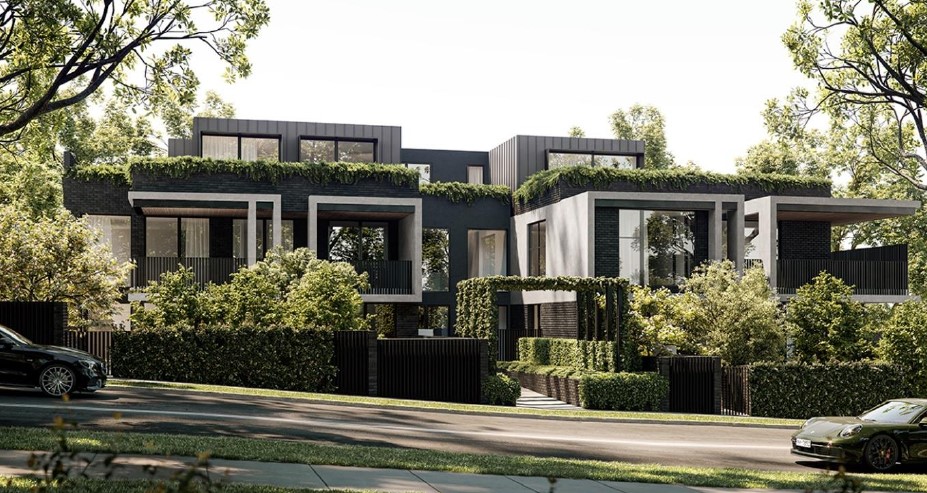
Zoned ducted air conditioning gives you the ability to independently control the temperature in different areas of your home, conditioning only the spaces that are occupied at any given time rather than heating or cooling the entire house continuously. It is one of the most powerful features of a modern ducted system, delivering both meaningful energy savings and a level of personalised comfort that is simply not possible with a non-zoned installation.
The zoning mechanism in a ducted system works through motorised dampers installed within the duct network at the branch points that supply each zone. When a zone is not required, its damper closes, redirecting airflow to active zones and allowing the system to operate at reduced capacity while still conditioning the spaces where it is needed. The zone controller — typically a touchscreen wall panel or a smartphone app in modern systems — allows the occupants of the home to open and close individual zones, set independent temperature targets for each zone, and programme scheduling that automatically adjusts zone activity to match the daily routine of the household.
Comfort Benefits and Zone Layout Design
The practical comfort benefits of zoning are immediately apparent in family homes where different family members have different temperature preferences, where different parts of the home have different solar exposure and therefore different thermal loads at different times of day, or where certain areas — home offices, bedrooms, living rooms — are used intensively at different times. A well-designed zone layout allows the morning bedroom zone to be warm and the rest of the house cooler during wake-up, the living areas to be conditioned during the day while bedrooms are isolated, and the entire home to be brought to temperature in the hour before the family returns in the evening.
Zone layout design is a critical element of the ducted system design process and one where professional expertise genuinely matters. The number of zones, the grouping of rooms into zones, the damper specifications, and the minimum zone open requirements for system protection all need to be engineered correctly to ensure that the system operates efficiently and without pressure imbalances that cause noise, poor airflow distribution, or compressor stress. Our designers work through zone layout with you as part of the free onsite consultation, and we provide a clear schematic of the proposed zone configuration before installation begins.
Smart Controllers and Energy Savings
Modern zoning controllers have evolved significantly beyond the simple manual damper systems of previous generations. Contemporary zone controllers from manufacturers including Advantage Air, MyAir, and iZone offer touchscreen interfaces, app-based control from anywhere with an internet connection, integration with smart home platforms including Google Home, Amazon Alexa, and Apple HomeKit, occupancy sensing that automatically adjusts zone activity based on detected room occupancy, and usage reporting that gives homeowners clear visibility of how their system is being used and where energy is being consumed.
Energy efficiency benefits from zoning are substantial and consistent. Industry estimates for the energy saving achievable through well-designed and actively used zoning typically range from 20 to 40 percent compared to equivalent non-zoned operation, depending on home size, zone layout, and usage patterns. In larger homes where a significant proportion of the floor area is unoccupied for extended periods — guest rooms, formal living areas, children's bedrooms during school hours — the efficiency benefit of zoning is particularly pronounced, and the payback period on the additional cost of the zoning hardware is correspondingly shorter.
For new ducted system installations, we always recommend including zoning as part of the initial design rather than retrofitting it later, because the duct network design, damper installation, and controller wiring are all most efficiently and cost-effectively accomplished at the time of initial installation. Retrofitting zoning to an existing non-zoned ducted system is possible but typically more expensive and disruptive than including it from the outset, and the ongoing energy and comfort benefits of zoning begin immediately from the first day of system operation.
Residential Installations
Assessment, Heat Load Calculation, and Duct Design
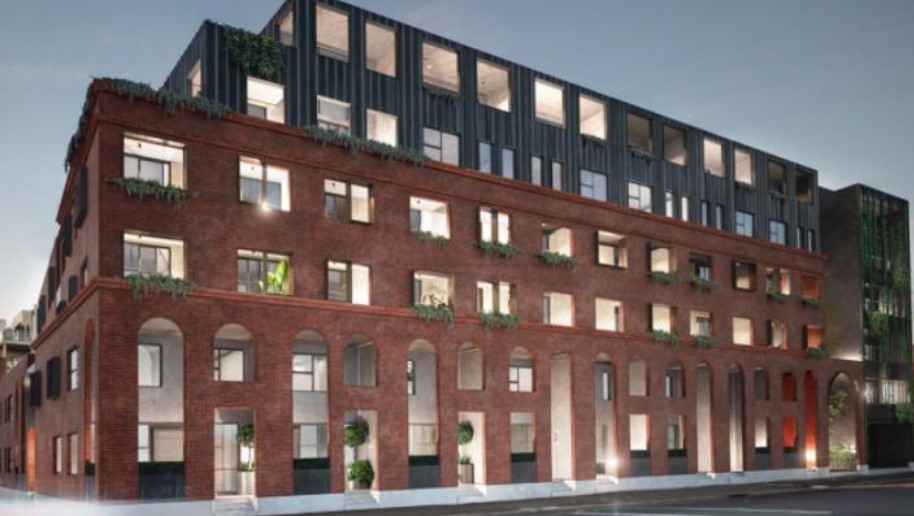
Residential ducted air conditioning installation is where the majority of our work in Melbourne and Perth is focused, and it is an area where our experience, attention to detail, and commitment to quality workmanship consistently deliver results that our clients are genuinely proud of. A well-installed ducted system transforms the liveability of a home — creating consistent comfort in every room, eliminating the temperature inequities and aesthetic clutter of multiple split systems, and adding measurable value to the property.
The residential installation process begins with our free onsite assessment, during which one of our experienced estimators visits your property to conduct a thorough evaluation of your home's layout, construction type, insulation levels, ceiling and subfloor access, existing ductwork if any, and electrical infrastructure. This assessment is the foundation of a system design that is genuinely tailored to your home rather than adapted from a generic template, and it is the step that most directly determines whether your completed system will perform to your expectations in service.
Heat load calculation is the engineering core of the system design process — the calculation that determines how much heating and cooling capacity your home actually requires under peak design conditions. A proper heat load calculation accounts for your home's floor area, ceiling height, wall and ceiling insulation, window area and solar exposure by orientation, climate data for your specific location in Melbourne or Perth, and your preferred indoor design temperatures. Getting this calculation right is non-negotiable for system performance — and it is a step that some lower-quality installation companies skip in favour of rules-of-thumb that frequently produce undersized or oversized systems.
Duct design for your home is developed based on the heat load calculation, the zone layout, and the physical constraints of your roof space and subfloor. Our duct design specifies the size and routing of the main supply trunk and all branch ducts, the location and size of every supply outlet and return air grille, the insulation specification for all ductwork, and the static pressure characteristics of the complete duct network. This design is documented and followed during installation, ensuring that the installed system delivers the airflow distribution that the design predicts.
Installation Standards and Post-Installation Support
The installation itself is carried out by our fully licensed refrigeration and air conditioning technicians, working to installation standards that we enforce consistently across every project. Ductwork is properly supported, all joints are sealed to prevent air leakage that would reduce system efficiency, insulation is installed continuously without gaps, electrical work is performed to AS/NZS 3000 wiring rules by licensed electricians, and refrigerant pipework is installed, pressure-tested, evacuated, and charged to manufacturer specifications. Every installation receives a final commissioning check that verifies airflow at all outlets, refrigerant system performance, zone controller operation, and correct thermostat calibration before we hand over the system to you.
Minimising disruption to your home during installation is a commitment we take seriously. Ducted system installation in an existing home involves working in roof spaces, drilling through walls and ceilings for ductwork and pipework penetrations, and completing electrical work at your switchboard and throughout the house. Our teams work methodically to contain dust and debris, protect finished surfaces, make good all penetrations to a neat and professional standard, and leave your home clean and tidy at the end of each working day. We understand that having tradies in your home is inherently disruptive, and we work hard to minimise that disruption in every way we can.
Post-installation support is part of our service commitment, not an optional extra. After your system is commissioned, we walk you through the controller operation, explain the maintenance requirements, and provide complete documentation of your installation including equipment model numbers, refrigerant charge, and warranty details. We remain available after installation for any questions about system operation or performance, and our service team handles any warranty or workmanship issues promptly and without dispute.
Commercial Ducted Solutions
Offices, Retail, and Industrial Applications
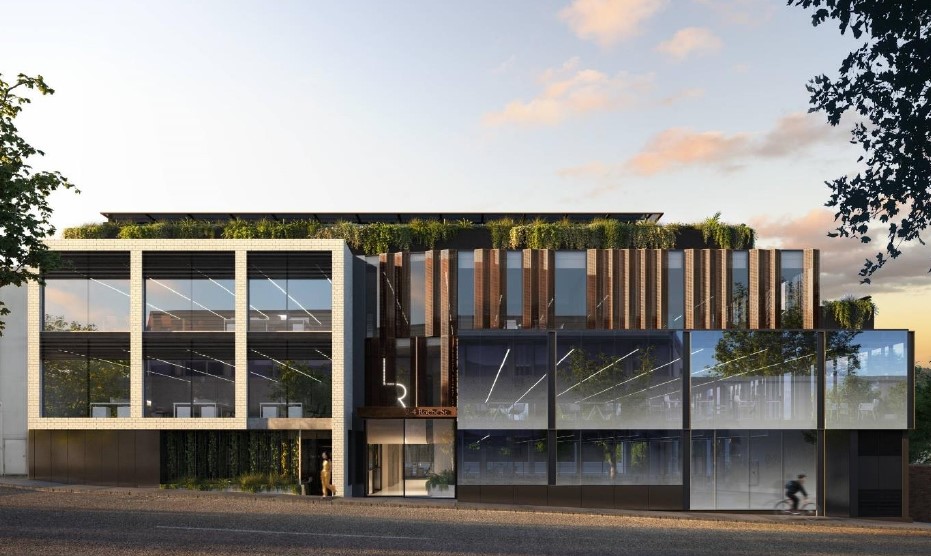
Commercial ducted air conditioning presents a set of requirements that differ meaningfully from residential applications — larger spaces, higher occupancy loads, extended operating hours, more complex zone and control requirements, energy efficiency obligations, and the need for systems that can be serviced and maintained without disrupting business operations. Our commercial team has the experience, licensing, and technical capability to design and deliver ducted solutions for a wide range of commercial building types across Melbourne and Perth.
Office environments are among the most common commercial applications for ducted air conditioning, and among the most demanding in terms of control sophistication and energy efficiency requirements. Modern commercial offices expect consistent thermal comfort across open-plan spaces and cellular offices, independent zone control for meeting rooms and server areas, integration with building management systems, and compliance with commercial energy efficiency standards. Our commercial system designs address all of these requirements, specifying equipment and controls appropriate to the scale and complexity of the application.
Retail and hospitality premises require ducted systems that deliver comfortable patron environments in spaces with high occupancy loads, significant heat-generating equipment, and high rates of infiltration from frequent door openings. System sizing for these applications needs to account for the full range of occupancy and equipment loads rather than simply the average conditions, and duct design needs to distribute conditioned air effectively in spaces with high ceilings, large open areas, and variable furniture layouts. Our commercial team brings specific experience in retail and hospitality installations to these projects.
Industrial and warehouse applications for ducted air conditioning present unique challenges related to building volume, high internal heat loads from equipment and processes, and the practical difficulty of conditioning large open spaces efficiently. While full comfort conditioning of large industrial spaces is not always practical or cost-effective, targeted ducted systems for office areas, control rooms, amenity spaces, and high-value production areas within industrial buildings are a common and practical application where our commercial team regularly delivers effective solutions.
Energy Efficiency, Commissioning, and Service Contracts
Energy efficiency in commercial ducted systems is increasingly important in the context of commercial energy costs and growing regulatory requirements for commercial building performance. We specify commercial systems with high Seasonal Energy Efficiency Ratios, design duct systems that minimise pressure losses and therefore fan energy, incorporate variable air volume controls where appropriate, and design zone and scheduling configurations that minimise conditioning of unoccupied spaces. Our commercial designs can be developed to meet the requirements of relevant National Construction Code energy efficiency provisions and, where required, to support Green Star or NABERS energy performance assessments.
Commercial system commissioning is a more involved process than residential commissioning, requiring detailed airflow balancing across all supply outlets, verification of zone control operation, integration testing with building management systems, documentation of all system parameters for facilities management use, and training of building management staff in system operation. Our commercial commissioning team follows a structured commissioning protocol for every project, producing a commissioning report that documents all measurements and confirms compliance with the design specification.
Ongoing commercial service contracts are available for all commercial ducted systems we install, providing scheduled preventive maintenance, priority response for breakdowns, and a single point of contact for all service and repair requirements. Commercial air conditioning systems that are properly maintained perform more efficiently, fail less frequently, and have longer operational lives than unmaintained systems — and for business operators whose commercial premises depend on reliable climate control for staff productivity and customer comfort, a service contract is a straightforward investment in operational continuity.
Servicing & Repairs
Why Regular Servicing Matters
Regular professional servicing is the single most important thing you can do to protect your investment in a ducted air conditioning system and ensure it continues to deliver the comfort, efficiency, and reliability it was designed for. Ducted systems contain filters that accumulate dust and debris over time, coils that can develop biological growth that reduces heat transfer efficiency, ductwork that develops leaks and insulation deterioration, and mechanical components that benefit from regular inspection and lubrication. Neglecting these maintenance needs leads to progressively declining performance, increasing energy consumption, and ultimately to premature component failure.
Annual servicing is the minimum recommended maintenance frequency for residential ducted systems in Melbourne and Perth, with twice-yearly servicing recommended for systems that operate year-round in the heating and cooling roles or for commercial systems with extended operating hours. Our service visits cover a comprehensive range of inspection and maintenance tasks — filter cleaning or replacement, coil inspection and cleaning, condensate drain check and clearing, ductwork inspection for leaks and insulation condition, electrical connection inspection, refrigerant system pressure check, zone controller and thermostat calibration verification, and an overall performance assessment that confirms the system is operating within its design parameters.
Filter Maintenance, Coil Cleaning, and Duct Repairs
Filter maintenance between professional service visits is an important and easily performed owner responsibility that has a direct impact on system performance and indoor air quality. Ducted system filters — typically accessible through the return air grille — should be cleaned or replaced according to the manufacturer's recommendation and in response to visible dust accumulation, which varies depending on the dustiness of the local environment and the occupancy patterns of the home. Blocked filters restrict airflow, reduce system efficiency, increase energy consumption, and in severe cases can cause the indoor unit to freeze up — all consequences that a simple filter clean every few months easily prevents.
Coil cleaning is a professional service task that goes beyond what homeowners can safely and effectively perform themselves, involving the application of specialised coil cleaning agents, high-pressure rinsing, and careful inspection of the coil surface for damage or biological growth. Dirty evaporator and condenser coils reduce heat transfer efficiency significantly — a coil with even moderate fouling can reduce system capacity by 10 to 30 percent compared to a clean coil — and in humid conditions, dirty evaporator coils can become a reservoir for bacterial and mould growth that degrades indoor air quality. Professional coil cleaning, performed annually as part of a comprehensive service, maintains heat transfer efficiency and protects indoor air quality.
Duct inspection and repair is an important but frequently neglected aspect of ducted system maintenance. Duct leakage — air loss through joints, seams, and penetrations in the duct network — is a significant source of efficiency loss in many older ducted systems, with studies consistently finding that duct leakage of 20 to 30 percent of system airflow is common in uninspected systems. Duct leakage in unconditioned roof spaces and subfloor areas means that a significant proportion of the energy consumed by the system is conditioning air that never reaches the living spaces of the home. Our service technicians inspect accessible ductwork for leakage during service visits and can undertake duct sealing repairs to recover efficiency losses from duct leakage.
Breakdown Repairs and Brands We Service
Breakdown repairs are a reality for any mechanical system, and when your ducted air conditioning fails — particularly during a Melbourne heatwave or a Perth summer scorcher — prompt, effective repair is not a convenience but a genuine urgency. Our service team provides responsive breakdown repair services across Melbourne and Perth, with same-day or next-day response available for urgent situations. Our technicians carry a comprehensive range of common spare parts for the brands and models we service, allowing many repairs to be completed on the first visit without the delay of waiting for parts to be sourced.
We service all major brands of ducted air conditioning equipment, including Daikin, Mitsubishi Electric, Fujitsu, Actron Air, Carrier, Panasonic, and Temperzone, regardless of whether the system was originally installed by our company or by another contractor. Our technicians are trained and experienced across the full range of current and legacy ducted equipment platforms, and we approach every service and repair job with the same commitment to thoroughness and quality that we bring to our installation work. If your existing ducted system is underperforming, running noisily, or failing to reach temperature, contact us for an assessment — the issue may be simpler and less expensive to resolve than you expect.
Rebates & Finance Options
Federal and State Government Rebates
The upfront cost of a ducted air conditioning installation is a real consideration for many Melbourne and Perth households, and it is one that deserves a clear and honest conversation rather than being glossed over in the sales process. A quality whole-home ducted system represents a meaningful investment — but it is an investment with tangible financial returns through energy savings, reduced maintenance costs compared to multiple split systems, and increased property value that can be quantified and weighed against the initial outlay. Understanding the full financial picture, including available rebates and flexible payment options, is part of making an informed decision.
Federal government energy efficiency incentives through the Small-scale Renewable Energy Scheme apply to certain high-efficiency reverse cycle air conditioning equipment and can provide meaningful rebates in the form of Small-scale Technology Certificates that are typically assigned to the installer in exchange for a reduction in the system purchase price. The value of STCs for a ducted system installation varies depending on the system's energy efficiency rating, its capacity, and your location's climate zone. Our team confirms the applicable STC value for your specific system selection and location and applies it directly as a discount to your installation quote, so you receive the benefit without needing to manage the STC creation and trading process yourself.
Victorian Energy Upgrades incentives in Melbourne provide additional rebates for the installation of energy-efficient heating and cooling equipment that replaces less efficient alternatives, with the specific rebate values and eligible equipment lists updated periodically by the Victorian Government's Essential Services Commission. For eligible Melbourne households — particularly those replacing electric resistance heaters, gas ducted heating, or old low-efficiency air conditioning systems — the VEU rebate can represent a substantial discount on the cost of a new ducted reverse cycle system installation. We assess your eligibility for VEU rebates as part of your free onsite quote and ensure all applicable incentives are reflected in your final pricing.
Western Australian energy rebate programs for heating and cooling equipment are available through Synergy and Horizon Power programs that change periodically in their scope and value, and our Perth team stays current with available state-level incentives to ensure every Perth client is aware of and benefits from any applicable programs at the time of their installation. As with Victorian incentives, rebate availability and values change over time, so the most reliable source of current information for your specific situation is a conversation with our Perth team during your free onsite consultation.
Finance Options, Energy Savings, and Property Value
Interest-free and low-rate finance options are available for qualified applicants through our finance partners, allowing the cost of your ducted system installation to be spread over periods of 12 to 60 months. For many households, the combination of available rebates and a manageable monthly repayment transforms what might appear to be a prohibitive upfront cost into an immediately affordable commitment — particularly when the monthly energy savings from an efficient new ducted system are considered alongside the finance repayment. Our team provides clear finance illustrations as part of the quoting process so you can see exactly what your monthly commitment would be under different repayment scenarios.
Energy savings projections are a legitimate part of the financial case for a new ducted reverse cycle system, and we help our clients understand what realistic savings look like based on their current energy costs and the efficiency characteristics of the proposed system. For households replacing inefficient or aging air conditioning equipment, switching from gas ducted heating to an efficient reverse cycle system, or eliminating multiple split systems running simultaneously across the home, the energy cost reduction from a new efficient ducted system can be substantial — in some cases covering the finance repayment partially or entirely from the first year of operation.
Property value uplift from ducted air conditioning is consistently cited in Australian real estate research as one of the highest-returning home improvement investments available, particularly in Melbourne and Perth where whole-home climate control is increasingly expected by buyers and renters. A professionally installed ducted reverse cycle system with zoning adds tangible, quantifiable value to a residential property — a value that compounds over time as the standard expectation for climate control in quality homes continues to rise. Viewed as a property investment alongside its comfort and energy efficiency benefits, the financial case for a quality ducted installation is consistently compelling.
To receive your free, no-obligation onsite quote in Melbourne or Perth — including a full assessment of applicable rebates, finance options, and energy savings projections — contact our team today. We commit to a clear, honest, and pressure-free quoting process that gives you all the information you need to make a confident decision about your home's climate future.